


Second Women in Timber event provides strength and support
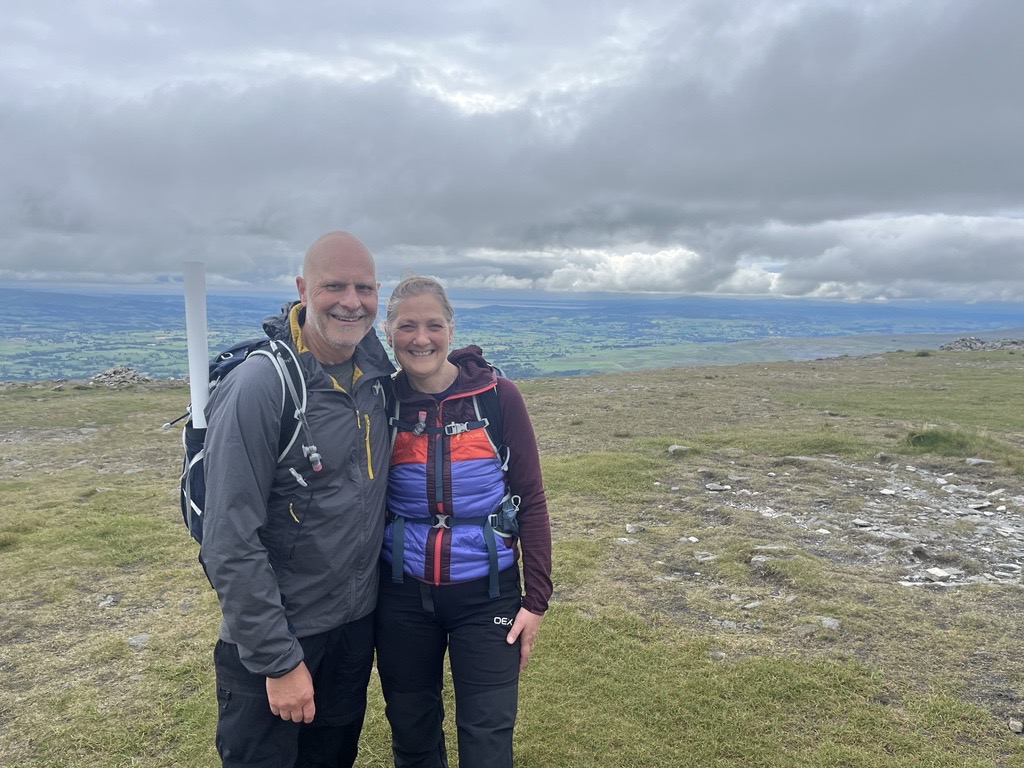
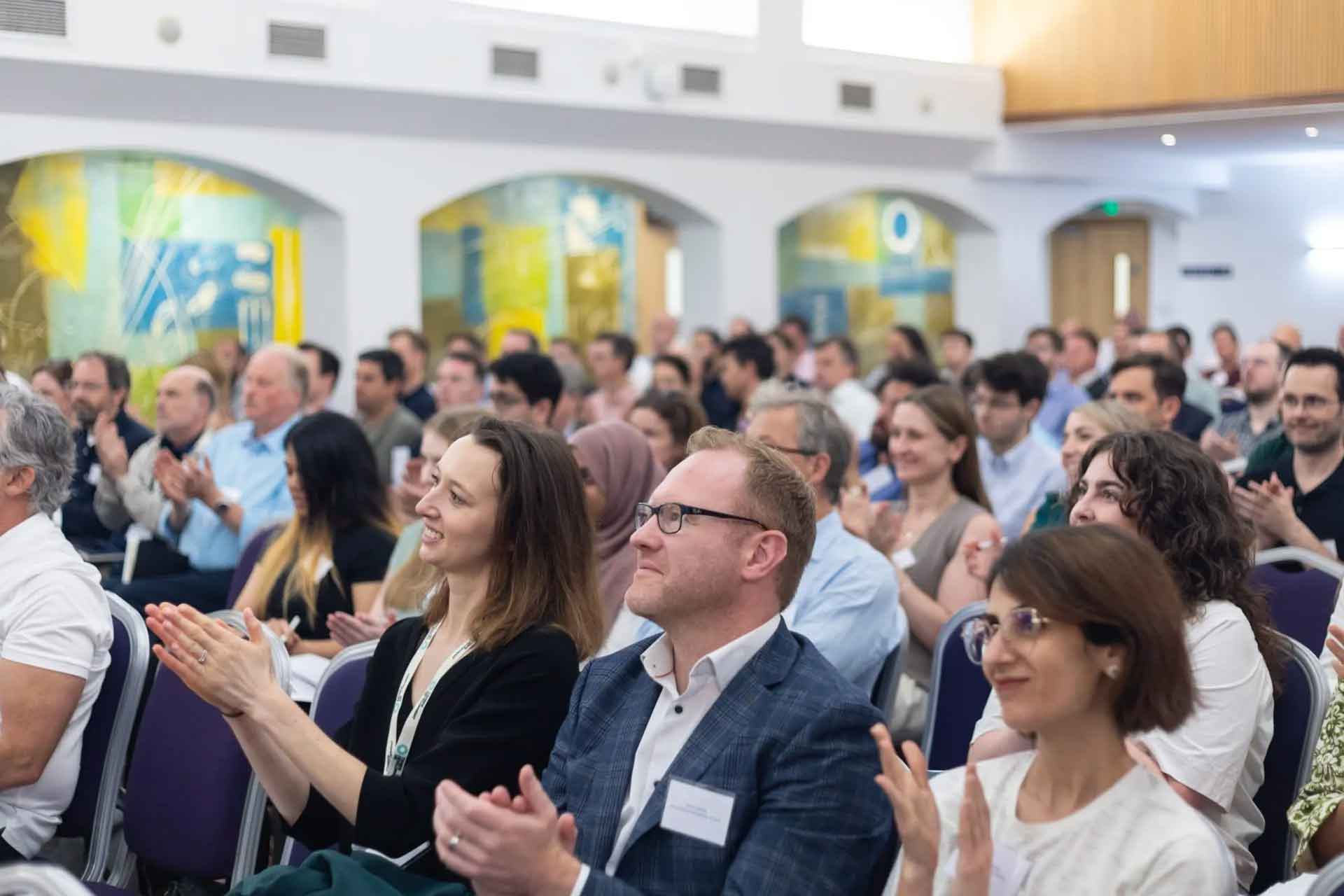
The second Women in Timber (WIT) conference in October asked one key question: What does resilience really look like? For the 166 women who gathered in Leeds, the answer turned out to be many different things.
 Resilience can be having the confidence to enter a room where nobody looks like you. It can be starting again when life takes an unexpected turn, recognising when your energy is running low, speaking up when something does not feel right, creating opportunities, or accepting that sometimes the strongest thing you can do is ask somebody for help.
Across six very different speakers, resilience was explored repeatedly not as an expectation that you must cope with whatever is thrown at you, but something far more human.
That was fitting for an event created from a simple question: where are all the women in timber? Laura Qualters, the board member who along with Karen Sussex, Sian Moreton, Jessica Vernon and Chidi Adilih-Osim first created the idea of Women in Timber (WIT), opened the conference by reflecting that the inaugural event brought together 118 women.
This year there were 166 – a growing community built around connection, shared experiences and support.
Laura said: “I’ve always felt that women across our sector aren’t always as visible as they could be. There are so many amazing women doing brilliant things. We just don’t always get the opportunity to see it.”
The event programme reflected feedback from the first conference, with requests for conversations around careers, work-life balance, confidence, resilience and mental health.
Rethinking resilience
Transformational coach and mindfulness practitioner Danielle Thornton-Walker challenged one of the most familiar definitions of resilience: the idea that being resilient means carrying on regardless.
Rather than always “push through” and “bounce back perfectly”, Danielle offered a different definition.
“For me, true resilience is having the capacity to learn, to adapt with compassion for yourself,” she said. “We’re going to face challenges. That doesn’t mean that you’re not resilient.”
Her equation was simple: resilience = sense of self + energy management.
In a highly interactive session, Danielle encouraged delegates to recognise their own strengths, not just those they admired in other people. She also explored the unrealistic expectation that people should operate at full capacity all the time. Work, family responsibilities, difficult periods in life, hormonal changes and simply doing something new can all make different demands on us.
“We are not machines,” she reminded the room. “Our energy is going to ebb and flows.”
Her message was not about lowering ambitions, but about giving ourselves the capacity to pursue them.
“Knowing your strengths, understanding what restores or drains your energy, setting boundaries and recognising when to say no can all make you better equipped for the moments when you want to say yes.”
If the space doesn’t exist, create it
Worcester City Women’s Owner and CEO Nicole Allison brought a perspective from outside timber, although the industry parallels quickly became clear.
Nicole founded Worcester City Women just over five years ago as an independent, female-owned football club.
 Her decision grew partly from frustration that women’s teams were often dependent upon the structures and finances of their male counterparts.
Her own football journey began without obvious female role models and being told she couldn’t play football at school because there was no girls’ team and she could not play with the boys.
Years later, after helping Tottenham Hotspur Women reach the Women’s Super League, she decided to create something herself.
But just 15 minutes after the announcement that she was taking over Worcester City Women, the club’s male coach messaged to say he was stepping down because he did not want to work for a woman.
Despite this setback, Nicole created a successful, influential team that won the Community Club of the Year award earlier this year.
Nicole described four lessons from her journey: confidence, spaces, leadership and difference. Confidence, she argued, often comes after taking action rather than before it. Leadership does not mean doing everything alone, although sometimes somebody has to be prepared to go first.
“You can be the one to say we can do this,” she said, “and you’d be surprised with the amount of people that then actually come and follow you and come and support you.”
Her question to the room fitted Women in Timber perfectly: what space do you wish existed in your own industry, and could you be the person who starts creating it?
Take the first step
Katie Gunstone, Digital and Marketing Lead at Juha and founder of Mums Achieving More, wanted every woman in the room to leave with one step she could take tomorrow, next week or at the weekend towards something she wanted to achieve.
Katie drew on her own career, including almost a decade at BT and EE, where she progressed into senior leadership in a heavily male-dominated environment.
She proved herself capable of far more than she might once have imagined, eventually taking responsibility within one of BT’s biggest digital transformation programmes.
Motherhood then changed her priorities. After struggling to reconcile a demanding London commute with family life, and later being offered redundancy during her second maternity leave, Katie had to rethink what success looked like.
Coaching helped her realise that her career and family did not have to fit an existing model. Her message was that big goals become much less intimidating when reduced to the next action. You do not need to know every step before you begin. You need enough belief to take the next one.
“If you tell yourself you’re ready, you absolutely are,” she told the audience.
Find your place in the forest
Kate Hawley of the Forestry Commission delivered one of the day’s most evocative speeches, using the image of a young pine sapling surrounded by mature spruce trees to describe what it had once felt like to be a woman building a career in forestry.
In the early years of her career, Kate recalled being the only woman in teams of men, wearing uniform and PPE designed for male bodies and questioning whether there really was a place for her.
Looking back, Kate said she wished she had spoken up more and worried less about being different. Over time, more women arrived, and her own confidence and sense of belonging grew.
“If I’d have known back then what I know now, I wouldn’t have worried,” she said.
What once felt like being a vulnerable sapling in a monoculture gradually became Katie seeing herself as having stronger roots than she realised, while recognising the work of the women and allies who had been creating space alongside her.
Kate said that when she thinks about her working day today, the old voice questioning whether she belongs has disappeared. In its place is the voice of her four-year-old daughter saying: “Mummy, when I grow up, I want to be a forester like you.”
Strength in asking for help
Samantha Hanks, founder of The Support Yard, challenged the audience to think again about what the word resilience means.
After more than 20 years in the building materials supply chain, Sam had built a successful career, reached senior leadership and been recognised as one of the industry’s most influential people.
Behind that success was a deeply ingrained belief that strength meant coping alone. Each time life knocked her down, she responded in the way she knew best: work harder, keep moving and don’t let anyone see you struggling – until eventually that stopped working.
Sam spoke openly about the serious mental health crisis that followed and about the role her sister, who Sam described as “her person”, played in helping her recover. That experience changed Sam’s understanding of resilience.
“I spent years believing that I didn’t need anyone, and that was the point of being strong and resilient,” she said. “But I was wrong, and the strongest thing that I ever did was finally admitting that I needed help.”
Her experience led her to establish The Support Yard, a non-profit business providing mental health support, training and education specifically for people working within the building materials supply sector.
Yet her challenge to the audience was much simpler: Think about the person you could call if everything went wrong. Do they know they are your person? And whose person are you?
Feel the fear and do it anyway
The final speaker, Sonia Robinson of Southern Oak, told how, at 44, the end of a long-term relationship was followed by redundancy, leaving Sonia facing emotional and financial upheaval while raising her children.
 Then somebody pointed out that, for 14 years alongside her own career, Sonia had helped run the back office of her former partner’s construction business.
Because it had never been her formal job title, she had not viewed those experiences as valuable skills.
After somebody reflected those capabilities back to her, within 24 hours she had registered a company, bought a domain and started creating the business that would become Southern Oak.
Three years later, the company is successful and now operates nationwide.
Sonia’s motto became: “Feel the fear and do it anyway.”
But Sonia told delegates they didn’t need to experience a life-changing crisis to make changes in their own lives.
Backing yourself might mean starting a business. It might mean applying for a job you previously thought was beyond you.
It might simply mean putting your hand up in a meeting. Her point was to recognise the experience and ability you already have.
A community taking shape
The connections between the six very different speakers were easy to see. Nobody offered a picture of resilience based on perfection.
Instead, the day celebrated women who had doubted themselves, changed direction, encountered prejudice, struggled, started again, asked for help and stepped into spaces where they were not always expected.
It also celebrated success in a broader sense: a new career, a football club, a business, a stronger sense of self, a healthier relationship with work, the confidence to speak up or simply being visible enough for another woman or girl to imagine herself following.
Each speech was personal, but the message running through them was clear: resilience doesn’t have to mean doing everything yourself.
Confidence does not have to arrive before you act. Being different does not mean you do not belong. Asking for help does not make you weaker. And sometimes, when the path or the space you need does not yet exist, it’s because you’re meant to be the one to create it.
You can learn more about Women in Timber at: womenintimber.uk.
Latest posts
-
 15/10/2026
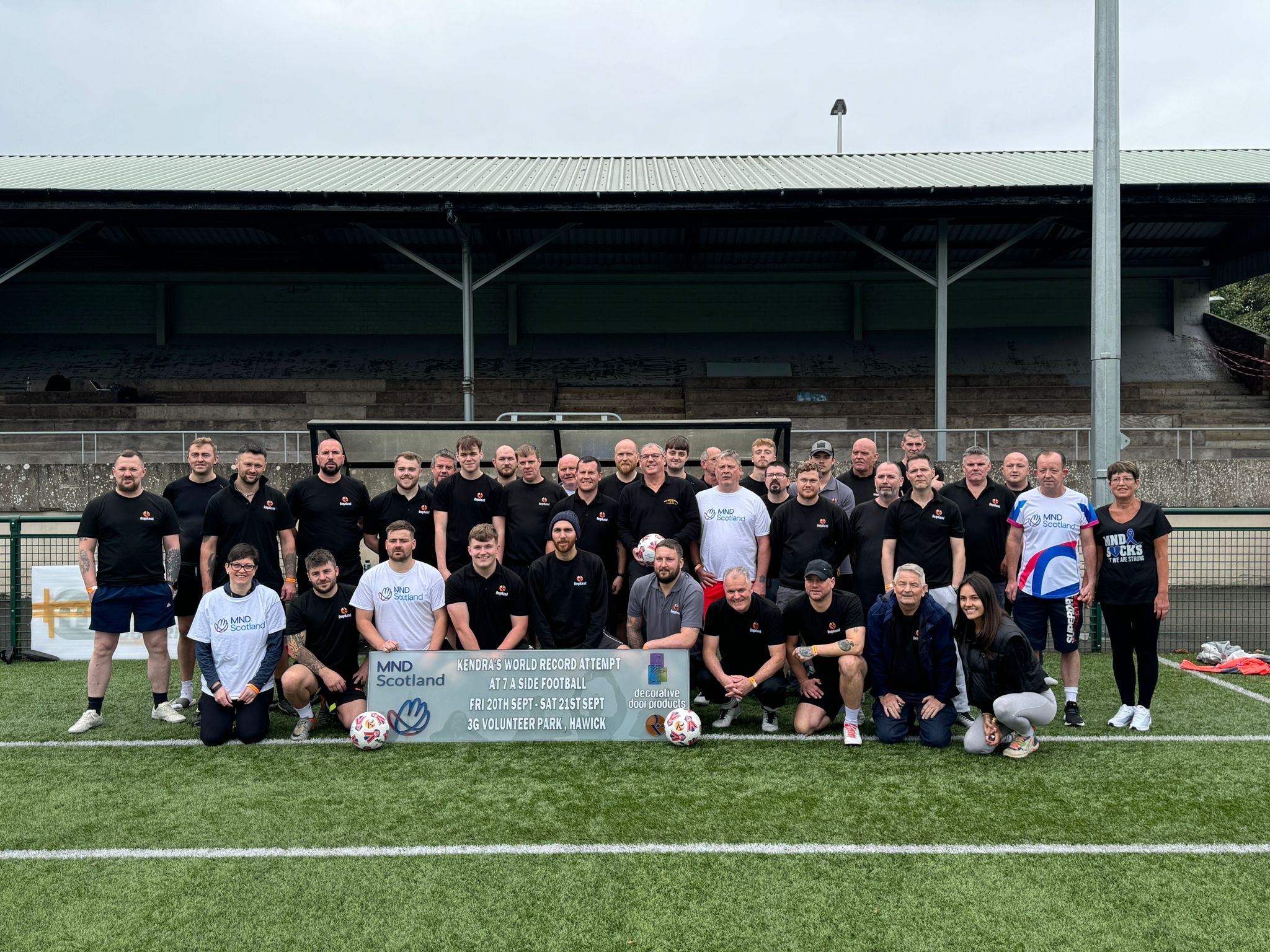
Andy Ball completes Inca Trail challenge in aid of Harry’s Pals
-
 15/10/2026
TDUK Awards 2026 now open for entries
-
 15/10/2026
FUHR scoops ‘Best Brand of the Year’ award
-
 15/10/2026
MJN on the road: Women in Timber 2026
-
 15/10/2026
Kirkwood Timber Frames adds two to senior management team
-
15/10/2026
TJN Members Day to tackle the industry's biggest issues
-
 13/10/2026
Hodgson Sealants’ Jonathan Orman takes on Yorkshire Marathon
-
 13/10/2026
WFN’s Sarah Ball to discuss changing the face of trades
-
 13/10/2026
PiGs lauds in success of Newcastle event
-
 13/10/2026
PiGs on the road: Women in Fenestration Lunch and Learn