


Risk-Based Cybersecurity: All you need to know

In the latest in our regular series of articles, Greg Du-feu, Managing Director of Dufeu IT, explains how Risk-Based Cybersecurity planning helps protect margins.
In modern joinery, every penny counts. Timber costs, logistics, and staffing all squeeze your margins — and cyber incidents can wipe them out completely.
The answer isn’t to spend endlessly on cybersecurity. It’s to spend strategically. That’s where risk-based cybersecurity planning comes in.
Instead of guessing what tools you need, this approach focuses on the risks that would cause the most damage to your business — so you invest where it matters most.
The Problem with One-Size-Fits-All Security
Many businesses buy cybersecurity products reactively. After hearing about another company’s breach, they rush to buy antivirus or a new firewall.
The result? Disjointed systems, duplicated costs, and no clear visibility of whether they’re actually safer.
Risk-based planning starts by identifying what’s most important to your operations — and protecting that first.
Step 1: Identify Your Critical Assets
For a joinery firm, these might include:
- CNC machinery and design computers
- Accounting software and payroll systems
- Shared file servers or cloud storage
- Supplier databases and client records
These are your “crown jewels.”
Step 2: Assess Likelihood and Impact
Use a simple matrix to prioritise risk:
| Threat | Likelihood | Impact |
| Phishing | High | Medium |
| Ransomware | Medium | High |
| Equipment theft | Medium | Medium |
| Insider error | Medium | Medium |
This gives you clarity on where to act first.
Step 3: Implement High-Value Controls
The best security improvements don’t always cost the most. Focus on controls that drastically reduce your attack surface:
- Multi-Factor Authentication (MFA) for email and cloud apps
- Regular patching for workshop PCs
- Immutable backups for design data
- Phishing simulation and user training
Each of these provides huge benefit for minimal cost.
Step 4: Align Cybersecurity with Business Goals
Cybersecurity shouldn’t slow your business — it should strengthen it.
- Winning commercial contracts often requires Cyber Essentials certification.
- Implementing ISO 27001 principles improves data control and accountability.
- Demonstrating security maturity reassures clients and insurers.
Step 5: Review and Improve Regularly
Threats evolve quickly. New software, new staff, new workflows — each brings new risks. Review your plan quarterly to keep it current.
Why This Protects Margins
- Prevents downtime — no lost hours on machines.
- Reduces insurance costs — insurers reward documented risk management.
- Avoids fines and client disputes — compliance builds trust.
- Enhances reputation — demonstrating responsibility wins contracts.
Real-World Example
A design-led joinery firm implemented risk-based security last year. They discovered that unpatched CAD PCs were their highest vulnerability. Fixing that issue reduced their exposure by 60% — for less than £1,000.
That’s strategic investment that protects profit.
Final Word
You can’t stop every threat, but you can stop the ones that would hurt the most.
Risk-based cybersecurity turns IT spend from a cost into a competitive advantage.
Follow Dufeu IT on LinkedIn, connect with me personally, or visit dufeu-it.co.uk/contact to see how we help joinery workshops secure their business and protect their margins.
Latest posts
-
 02/09/2026
Sarah’s OOO was spent at Kids Camp
-
 02/09/2026
David Salisbury Joinery promotes Barney Bell to Managing Director
-
 02/09/2026
Lighthouse Charity nominated as Plymouth Argyle’s shirt sponsor
-
 02/09/2026
How AI is reshaping window and door manufacturing
-
 02/09/2026
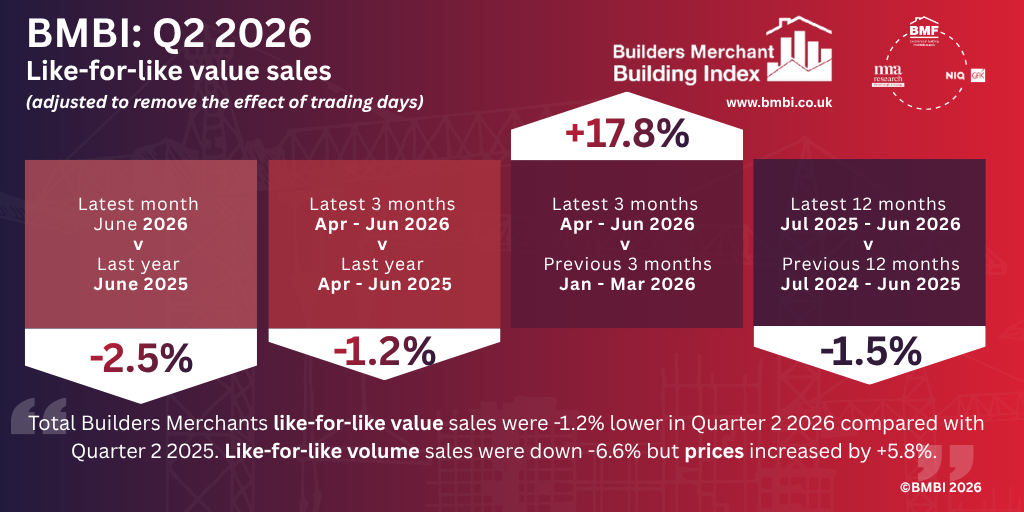
Timber and Joinery sales flat in Q2, says BMBI
-
 01/09/2026
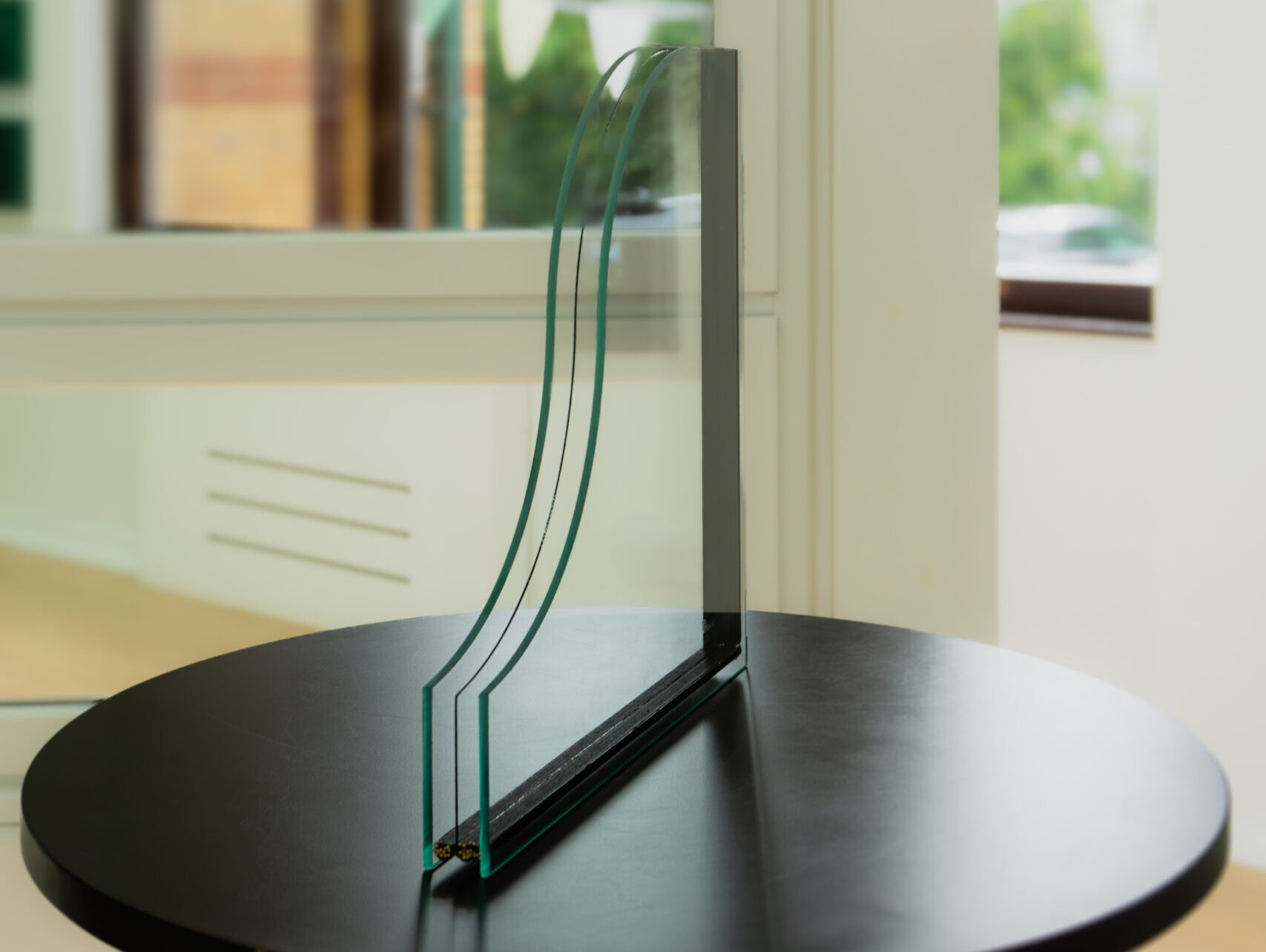
Allan Brothers launches lightweight triple glazing
-
 01/09/2026
Accoya specified for Theodore Roosevelt Library
-
 01/09/2026
Clever Bean Accounting joins as GGF Member Benefits Partner
-
 01/09/2026
Christian Decker named new CEO of HEGLA Group
-
 01/09/2026
Insight Data marks 20th anniversary with EDGE event