


Creating a Business Continuity Plan that actually works

In his latest column, Greg Du-feu, Managing Director of Dufeu IT, explains how joinery businesses can create a Business Continuity Plan that actually works.
If your business went offline tomorrow — could you keep producing, quoting, and delivering on time?
A Business Continuity Plan (BCP) ensures you can. It’s your playbook for keeping operations running during a crisis — whether that’s a cyberattack, power failure, flood, or server crash.
Let’s walk through how to write a BCP that’s realistic, practical, and proven to work for a busy joinery firm.
Step 1: Identify Your Critical Processes
Ask yourself: what must never stop?
For most joinery businesses, that includes:
- CNC operations and design access
- Accounts and payroll
- Customer communication and quoting
- Supplier orders and deliveries
Everything else can wait.
Step 2: Assess the Risks
What could stop these key processes?
- Ransomware attack
- Internet or power outage
- Machine controller failure
- Data corruption or deletion
- Staff absence
Rate each risk by likelihood and impact. This forms the foundation of your plan.
Step 3: Define Recovery Objectives
Set clear, measurable targets:
- Recovery Time Objective (RTO): How fast can you restore operations?
- Recovery Point Objective (RPO): How much data can you afford to lose?
Example: “We must restore quoting and design within 8 hours with no more than 1 day’s lost data.”
Step 4: Document Recovery Steps
Include step-by-step instructions for:
- Accessing backups
- Contacting your IT provider
- Reconnecting CNC or design systems
- Notifying clients and suppliers
Keep this document printed and stored off-site.
Step 5: Assign Responsibilities
Everyone should know their role.
- IT provider: Restore systems.
- Workshop manager: Manage manual workflows.
- Office staff: Communicate with customers and suppliers.
- Owner/Director: Approve recovery and external messaging.
Step 6: Plan for Manual Workarounds
If systems are offline, how will you continue operating?
- Use printed job sheets.
- Communicate via mobile instead of email.
- Manually log deliveries or production updates.
The goal is continuity, not perfection.
Step 7: Test the Plan
Don’t wait for a crisis to find out it doesn’t work. Run simulations every six months. Pretend the main PC or network is offline and see how staff respond.
Step 8: Review and Improve
After each test or real disruption, update the plan. What worked well? What didn’t?
Step 9: Keep It Simple
Your BCP doesn’t need to be a 50-page policy. A concise, 3–5 page document that’s easy to follow will be far more effective under pressure.
Step 10: Integrate with Cybersecurity
Your BCP should link directly with your Disaster Recovery Plan and Incident Response Plan. Together, they form your business resilience framework.
Real-World Example
A commercial joinery firm in the East Midlands experienced a ransomware attack in 2023. Their BCP allowed them to switch to manual job sheets, continue production, and deliver all projects on time — even while systems were being rebuilt.
A competitor hit by the same attack was offline for two weeks and lost multiple contracts.
Final Word
A Business Continuity Plan doesn’t just keep your operations alive — it keeps your promises to clients.
Follow Dufeu IT on LinkedIn, connect with me personally, or visit dufeu-it.co.uk/contact to learn how to build and test your continuity plan with expert guidance.
Latest posts
-
 02/09/2026
Sarah’s OOO was spent at Kids Camp
-
 02/09/2026
David Salisbury Joinery promotes Barney Bell to Managing Director
-
 02/09/2026
Lighthouse Charity nominated as Plymouth Argyle’s shirt sponsor
-
 02/09/2026
How AI is reshaping window and door manufacturing
-
 02/09/2026
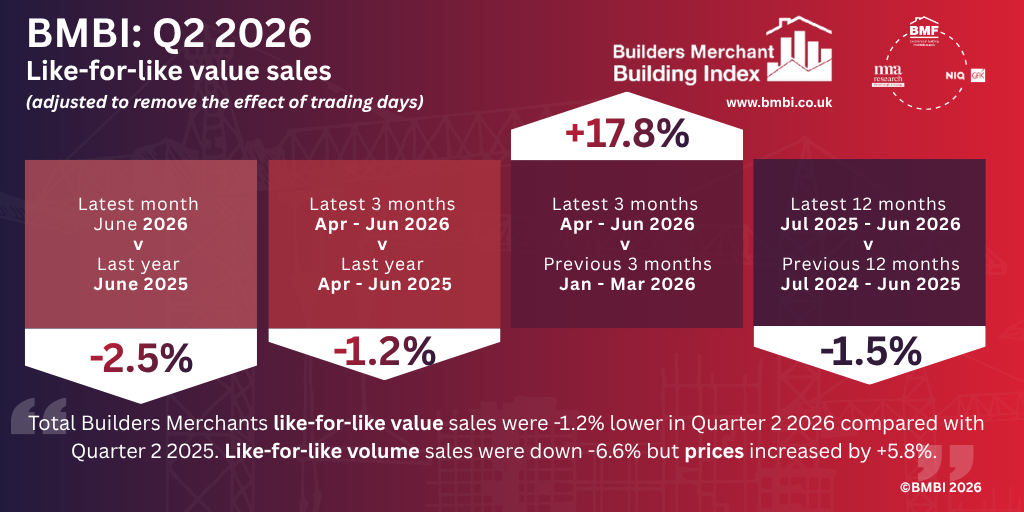
Timber and Joinery sales flat in Q2, says BMBI
-
 01/09/2026
Allan Brothers launches lightweight triple glazing
-
 01/09/2026
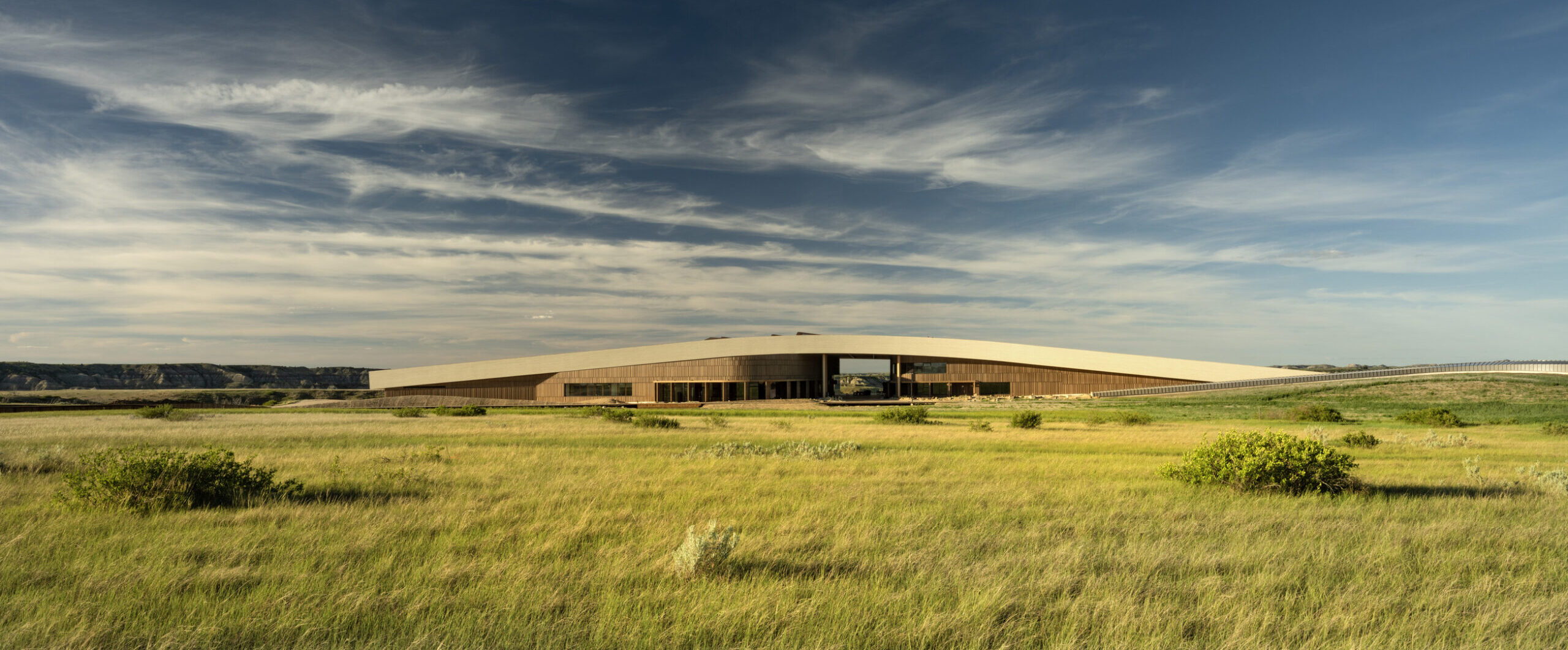
Accoya specified for Theodore Roosevelt Library
-
 01/09/2026
Clever Bean Accounting joins as GGF Member Benefits Partner
-
 01/09/2026
Christian Decker named new CEO of HEGLA Group
-
 01/09/2026
Insight Data marks 20th anniversary with EDGE event